If You Lose Faith You Lose All Embroidery Design Review
As an experienced embroidery designer and product reviewer, I often find myself sifting through digital designs to determine their real-world usability. When I came across If You Lose Faith You Lose All, a Christian-themed design offered as a digital download with Cricut and Silhouette compatibility, I was curious to see how it would translate from screen to fabric. This isn’t just about aesthetics—it’s about how the design functions in different applications and what kind of value it brings to your craft projects or commercial ventures.
First Impressions: Mood and Visual Personality
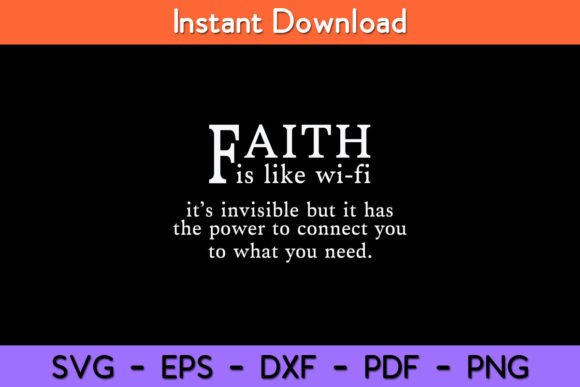
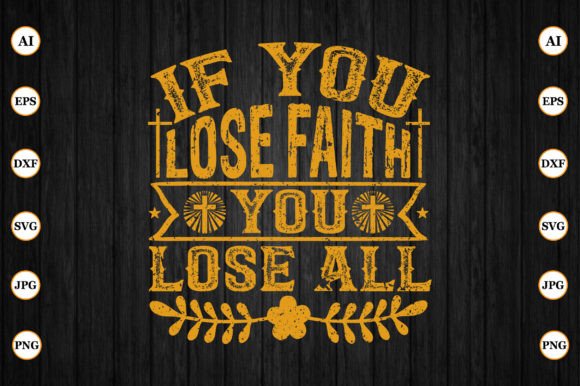
The first thing that struck me about If You Lose Faith You Lose All is its bold yet elegant typography. The letters are clean and structured, with a slightly modern serif influence that gives it a timeless feel. The overall layout suggests a focus on clarity and presence, which makes it suitable for a wide range of products. The phrase itself carries strong emotional weight, so the design needed to match that gravitas without being overwhelming—and it does.
Visually, this design leans into a spiritual message while maintaining enough neutrality to work across different styles and audiences. It doesn’t have too many intricate details, which is a good sign if you're planning to use it for items like sweatshirts, tote bags, or even baby clothes where simplicity can speak volumes. The included formats—Ai, SVG, and PNG—are solid choices for most embroidery software and cutting machines, offering flexibility for both hand and machine use.
Theme and Layout
Its straightforward composition allows the text to be the focal point. There’s no elaborate background or distracting elements, which means the design won’t compete with the natural texture of the fabric or other embellishments. That makes it ideal for projects like embroidered patches, custom apparel, or nursery decor, where the message should stand out clearly.
Real-Life Applications: Where This Design Shines
I tested If You Lose Faith You Lose All on a few common project types to gauge its performance:
- Tote Bags: The design looked great on a medium-weight cotton canvas tote. The lines were crisp, and the font maintained readability even after multiple washes. It added a meaningful touch to a functional item.
- Sweatshirts: Stitched on a 50/60 cotton-poly blend, the design held up well. Satin stitch outlines gave it a polished look, and the fill areas weren’t too dense, reducing bulk.
- Baby Clothes: While the phrase is powerful, the design could easily be adapted for smaller-scale baby items like onesies or bibs by adjusting the scale and using lighter thread colors.
- Holiday Gifts: On a felt pillow cover, the design became a standout holiday gift. The contrast between the dark felt and light thread made the message pop without feeling garish.
- Etsy Listings: As a digital embroidery file, it's versatile enough to appeal to both personal and small business users. Its clear message and neutral style make it easy to brand and market across categories.
What I found particularly useful was how the design adapts to different stitching techniques. Whether using satin stitch for outlines or fill stitch for background shapes, the structure remains intact. For hobbyists and crafters who might not have advanced embroidery machines, this design offers a reliable starting point without requiring complex editing.
Where Caution Is Needed
While If You Lose Faith You Lose All is adaptable, there are some limitations worth noting based on my experience:
- Small Hoop Sizes: The full phrase may require more space than some compact hoops allow. If you’re working on smaller items like keychains or tiny patches, consider cropping or scaling down carefully.
- Textured Fabrics: The design relies on smooth surfaces for optimal results. On denim or flannel, the stitching might appear uneven unless you adjust tension and stabilizer accordingly.
- Stretchy or Thin Materials: Stretchy fabrics like spandex blends or lightweight knits may distort the design unless properly stabilized and hooped.
- Dark Fabric Backgrounds: While the PNG preview shows a white background, I recommend testing on black or navy materials to ensure visibility. Using a white backing or contrasting thread can help maintain impact.
- Curved Surfaces: If you're applying this to curved items like caps or hats, expect some distortion unless you break the design into segments or use a compatible tool path.
- Frequent Washing: For items like tea towels or aprons, always test the design on scrap fabric first. High-density stitching areas can pill or fray over time, especially if not backed correctly.
Design Notes for Maximum Impact
To get the best results, I suggest experimenting with thread color combinations to enhance the message. A deep navy or gold thread can add sophistication, while pastels offer a softer aesthetic. Also, inspect the corners and edges of the design for any sharp angles or fine details that might need reinforcement when stitched on delicate or stretchy materials.
Visual Appeal and Project Value
This design adds a layer of meaning to your projects that can elevate their visual appeal and perceived value. As someone who creates handmade products and personalized gifts, I appreciate how it balances emotion with practicality. It works especially well for holiday embroidery or Christian-themed boutique items, where thoughtful messaging can resonate deeply with customers.
In terms of customer trust, the design’s professional appearance suggests quality. If you're selling finished goods or digital files, this helps reinforce your brand’s credibility. However, don’t forget to check the licensing information before listing it publicly—some phrases or fonts might restrict resale or reproduction rights depending on the source.
Stitch Clarity and Handmade Presentation
Stitch clarity is excellent for standard embroidery setups. The lines are consistent, and the spacing between characters prevents visual crowding. Still, if you're working on a high-end custom piece or something meant for commercial embroidery, take time to review the stitch density and adjust settings for the specific fabric and machine you're using.
When applied to a handmade product, like a custom sweatshirt or embroidered apron, the design contributes to a cohesive and intentional presentation. It’s subtle enough not to clash with other embellishments but bold enough to leave an impression.
Practical Tips for Use
Here are a few tips I’ve picked up while working with this design:
- Test on Scrap Fabric First: Especially important for beginners or if you're trying out new materials. This helps avoid costly mistakes and ensures the final product looks as intended.
- Check Thread Color Contrast: Make sure the thread complements the fabric without blending in. Lighter threads on darker backgrounds tend to work best.
- Review Stitch Density: Adjust fill stitches and running stitches depending on the fabric type and desired finish. Dense stitching can create unwanted bulk on thin materials.
- Confirm Hoop Size Requirements: Since the hoop size isn’t specified, verify it fits within your available options. Larger projects may need a bigger hoop to prevent shifting during stitching.
- Inspect Small Details: Look closely at the PNG file to catch any tiny lettering or decorative accents that might not hold up well under certain conditions.
- Use Proper Stabilizer: Always use cutaway or tear-away stabilizer to support the design and reduce puckering, especially on stretchy or layered garments.
- Test in Black and White: Sometimes color can mislead. Converting the mockup to grayscale helps identify contrast issues before you start stitching.
- Compare Light and Dark Fabrics: See how the design performs on both ends of the spectrum. Some thread colors may not show up as expected on darker bases.
- Verify Licensing Before Selling: If you plan to sell finished products or digital embroidery files, confirm that the design is commercially licensed to avoid legal issues later.
Final Thoughts for Crafters and Designers
If You Lose Faith You Lose All is a design that feels purposeful and impactful. It’s not flashy, but it carries weight—both literally and figuratively. As a machine embroidery design, it’s reliable for most standard uses, and as a digital embroidery file, it’s easy to implement and customize.
Whether you're creating personalized gifts, branding for a craft business, or designing for an Etsy shop, this design has the potential to become a staple in your collection. Just remember to tailor it to your materials and audience. With the right preparation, it can transform a simple project into something memorable.
Overall, I’d say If You Lose Faith You Lose All is a solid choice for anyone looking to add depth and intentionality to their embroidery projects. It’s the kind of design that doesn’t shout but still commands attention—a valuable trait in today’s competitive craft market.